Is Ravenna Mosaics worth visiting?

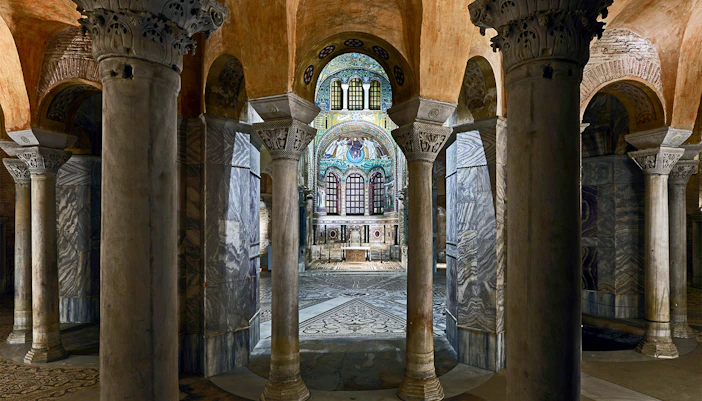
Stepping into Ravenna's mosaic monuments feels like entering a world where walls, domes, and ceilings shimmer with thousands of tiny glass and gold tesserae. Unlike traditional museums, these masterpieces remain exactly where they were created more than 1,500 years ago, transforming churches and mausoleums into breathtaking works of art.

The mosaics were commissioned by Roman emperors, Ostrogothic kings, and Byzantine rulers to celebrate faith, power, and the growing influence of Christianity. Together, they form one of the finest surviving collections of early Christian and Byzantine art anywhere in the world.

The reward isn't just seeing beautiful mosaics—it's experiencing how light, color, and architecture come together to create spaces that still inspire awe centuries later. You'll leave with a deeper appreciation of the craftsmanship and history that earned Ravenna's monuments UNESCO World Heritage status.

Skip it if: you're looking for interactive attractions or fast-paced sightseeing rather than quiet historical and artistic experiences.

What to see at Ravenna Mosaics

Placeholder Image Headout Blimp
1/6

Basilica of San Vitale

Ravenna's most celebrated monument is famous for its dazzling 6th-century Byzantine mosaics, especially the portraits of Emperor Justinian I and Empress Theodora. The octagonal church combines remarkable architecture with some of the finest surviving mosaic art in the world.

Mausoleum of Galla Placidia

Despite its modest brick exterior, this UNESCO monument hides one of the world's most beautiful mosaic interiors. Deep blue ceilings covered with golden stars and intricate Christian imagery create an intimate, almost otherworldly atmosphere that leaves a lasting impression.

Basilica of Sant'Apollinare Nuovo

Walk beneath long mosaic processions of saints, martyrs, and angels stretching along the nave. These beautifully preserved artworks reveal how Ravenna evolved under both Ostrogothic and Byzantine rule, making the basilica a highlight for history and art lovers alike.

Neonian Baptistery

One of the oldest surviving monuments in Ravenna, the Neonian Baptistery is renowned for its magnificent dome mosaic depicting the Baptism of Christ. The richly decorated interior offers an exceptional glimpse into early Christian art and symbolism.

Archbishop's Chapel

Hidden within the Archbishop's Museum, this small private chapel preserves remarkably detailed mosaics that once served Ravenna's bishops. Its intimate scale allows you to appreciate the craftsmanship and symbolism up close without large crowds.

Sant'Apollinare in Classe

Located just outside Ravenna, this magnificent basilica is known for its vast apse mosaic featuring Saint Apollinaris surrounded by lush landscapes and symbolic imagery. Its peaceful setting and monumental interiors provide a fitting finale to Ravenna's UNESCO mosaic trail.

See Ravenna's UNESCO mosaics with a single ticket

Many of Ravenna's most famous mosaics are spread across several UNESCO monuments. A combined ticket lets you visit the city's iconic basilicas, baptisteries, and mausoleums while experiencing over 1,500 years of Byzantine art and history.

How to explore Ravenna Mosaics

Ravenna's UNESCO mosaic monuments are spread across the historic center, with most located within easy walking distance of one another. A little planning helps you avoid retracing your steps and gives you time to appreciate each monument without rushing.

Start with San Vitale

Begin at the Basilica of San Vitale, Ravenna's most iconic monument, before continuing to the nearby Mausoleum of Galla Placidia. Visiting early means fewer crowds and better opportunities to admire the intricate mosaics.

  • Best first stop
  • Arrive at opening
  • Allow 45–60 minutes

Walk between the monuments

Most UNESCO sites are located within Ravenna's compact historic center and can be explored comfortably on foot. The pleasant streets, cafés, and piazzas make the walk between monuments part of the experience.

  • Mostly 5–15 minutes apart
  • Flat, walkable routes
  • Easy to explore independently

Allow enough time

Although each monument can be visited in under an hour, together they deserve at least half a day. Slow down to appreciate the mosaic details, architecture, and changing light inside each building.

  • Plan 3–5 hours
  • Visit 5–8 monuments
  • Take breaks between visits

Use a combined ticket

A combined ticket is the easiest way to visit Ravenna's major mosaic monuments. It saves time at individual entrances and lets you explore multiple UNESCO sites at your own pace.

  • Access several monuments
  • Better value than separate tickets
  • Ideal for first-time visitors

Brief history of Ravenna Mosaics

  • 402 AD: Ravenna becomes the capital of the Western Roman Empire, beginning its rise as a major political and artistic center.
  • 425–450 AD: The Mausoleum of Galla Placidia is decorated with deep blue and gold mosaics, now among the city’s most treasured early Christian artworks.
  • 493–526 AD: Under Theodoric the Great, Ravenna flourishes as the Ostrogothic capital, with monuments like Sant’Apollinare Nuovo reflecting this period.
  • 540 AD: Ravenna comes under Byzantine control, bringing a new wave of imperial art, symbolism, and mosaic decoration.
  • 547 AD: The Basilica of San Vitale is completed, with famous mosaics of Emperor Justinian and Empress Theodora.
  • 1996: Ravenna’s Early Christian monuments are listed as a UNESCO World Heritage Site.
  • Today: Ravenna remains one of the world’s most important cities for early Christian and Byzantine mosaic art.

Who created the Ravenna mosaics?

The Ravenna mosaics were commissioned over nearly two centuries by Roman emperors, Ostrogothic rulers, Byzantine emperors, bishops, and wealthy patrons. Rather than the work of a single artist, they reflect the changing political and religious history of Ravenna, blending Roman craftsmanship with the rich colors, symbolism, and techniques of Byzantine art to create some of the world's finest surviving mosaics.

Architecture of Ravenna Mosaics

Ravenna's UNESCO monuments showcase the transition from the Roman Empire to the Byzantine world. While the brick exteriors are deliberately simple, their interiors reveal dazzling mosaics, soaring domes, and intricate symbolism that transformed early Christian architecture.

Byzantine design and golden mosaics

The monuments are celebrated for their Byzantine interiors, where thousands of hand-cut glass tesserae, gold leaf, and vibrant colors cover walls, domes, and apses. Natural light reflects off these mosaics throughout the day, giving the interiors their distinctive shimmering appearance.

Simple exteriors, extraordinary interiors

Most of Ravenna's churches and mausoleums feature modest brick façades that reveal little of what lies inside. This striking contrast was intentional, allowing the richly decorated interiors—with domes, arches, and elaborate mosaics—to create a powerful sense of wonder and spiritual significance.

Why are the Ravenna mosaics a UNESCO World Heritage Site?

Ravenna's Early Christian monuments were inscribed as a UNESCO World Heritage Site in 1996 for preserving one of the world's finest collections of 5th- and 6th-century mosaics. Together, the eight protected monuments showcase the artistic transition from the Roman Empire to the Byzantine world, combining exceptional craftsmanship with remarkable historical authenticity.

Unlike many ancient artworks displayed in museums today, Ravenna's mosaics remain in their original churches, mausoleums, and baptisteries, allowing visitors to experience them in the spaces they were created to transform. This unique combination of art, architecture, and history makes Ravenna one of Europe's most important destinations for Byzantine heritage.

Frequently Asked Questions about Ravenna Mosaics

Absolutely. Ravenna's UNESCO-listed monuments house some of the world's finest surviving Byzantine mosaics, many still in their original locations. If you enjoy history, architecture, or art, they're among Italy's most rewarding cultural experiences.

More reads

Timings

Directions

Plan your visit